
Read more
Mar 11, 2026
How Data Centers Can Support Grid Resilience During Extreme Weather
Winter Storm Fern offered a real-world test of critical infrastructure flexibility.
.png)
Demand response in PJM has changed. More dispatch hours create more earnings, but only if your nominations, response times, and providers are ready.


Demand response (DR) in PJM was once relatively straightforward. Enroll, pass a test, and remain on standby while collecting a check.
That era is over - and for businesses paying attention, that’s actually good news.
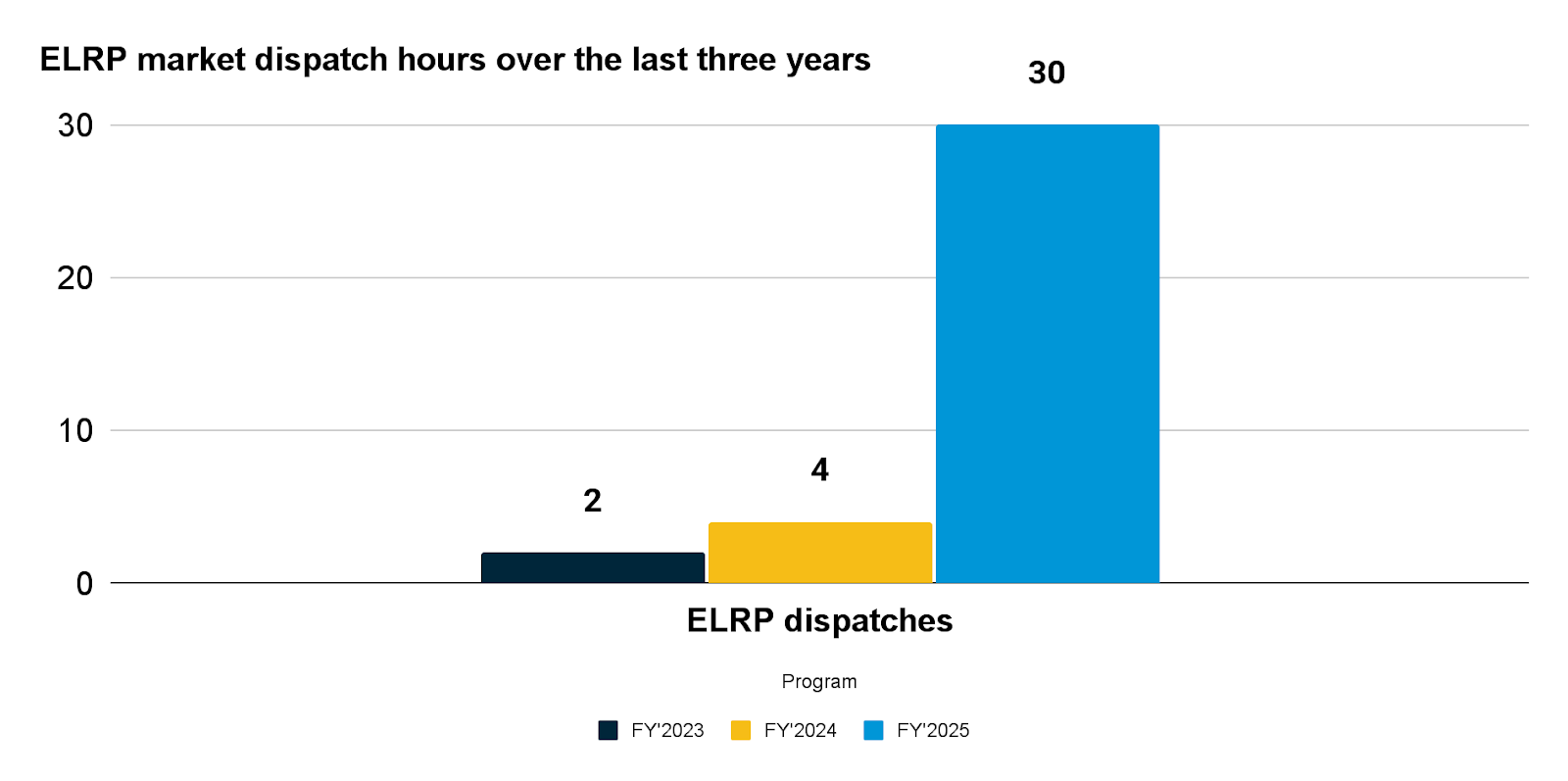
PJM’s Emergency Load Response Program (ELRP) is being dispatched more frequently than ever. This past summer, PJM dispatched customers in some zones for 30 hours across 8 events in June and July 2025 to manage heat wave-driven grid strain. That’s a 15x increase in dispatch hours from just two years ago.
More dispatch hours mean more revenue opportunities. But only if your curtailment service provider is set up to help you capture it.
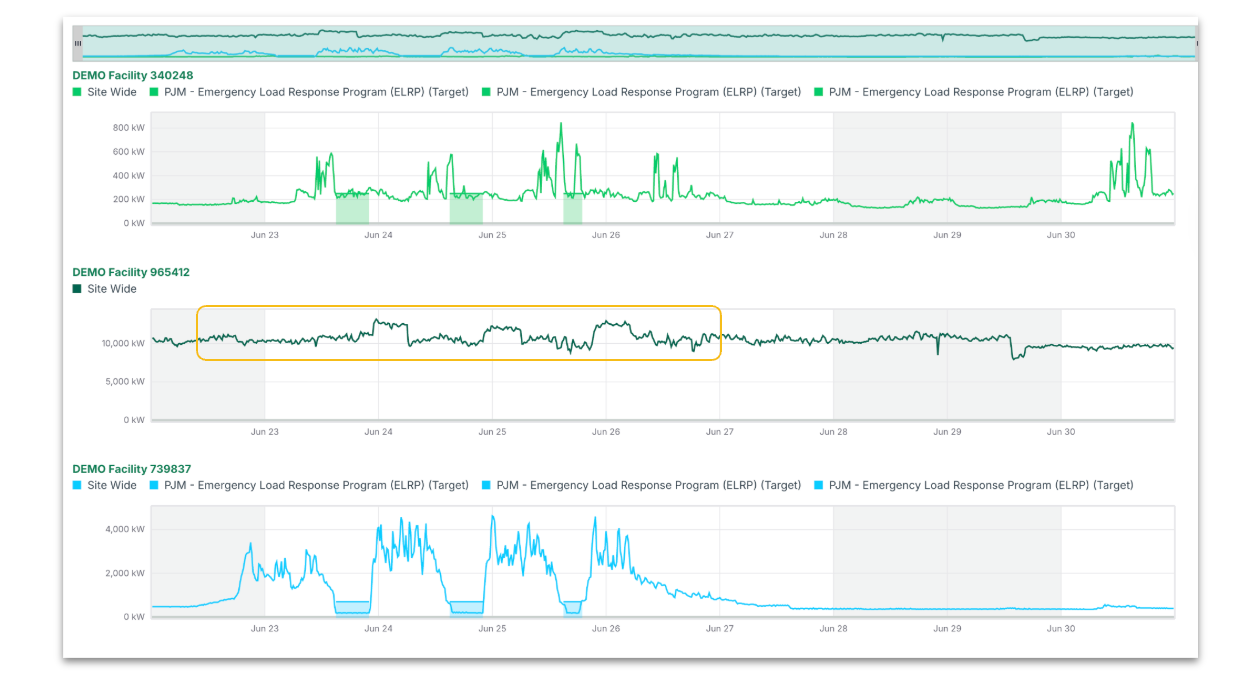
A chemical processing company learned this the hard way. They were enrolled in PJM Synchronized Reserves and Economic Demand Response with Voltus, and ELRP with a different provider. When Voltus conducted a seasonal earnings review, we spotted a problem: their ELRP provider didn’t dispatch them during the June 2025 heat wave. The result was $131,000 in missed energy payments and a lost opportunity to support grid stability.
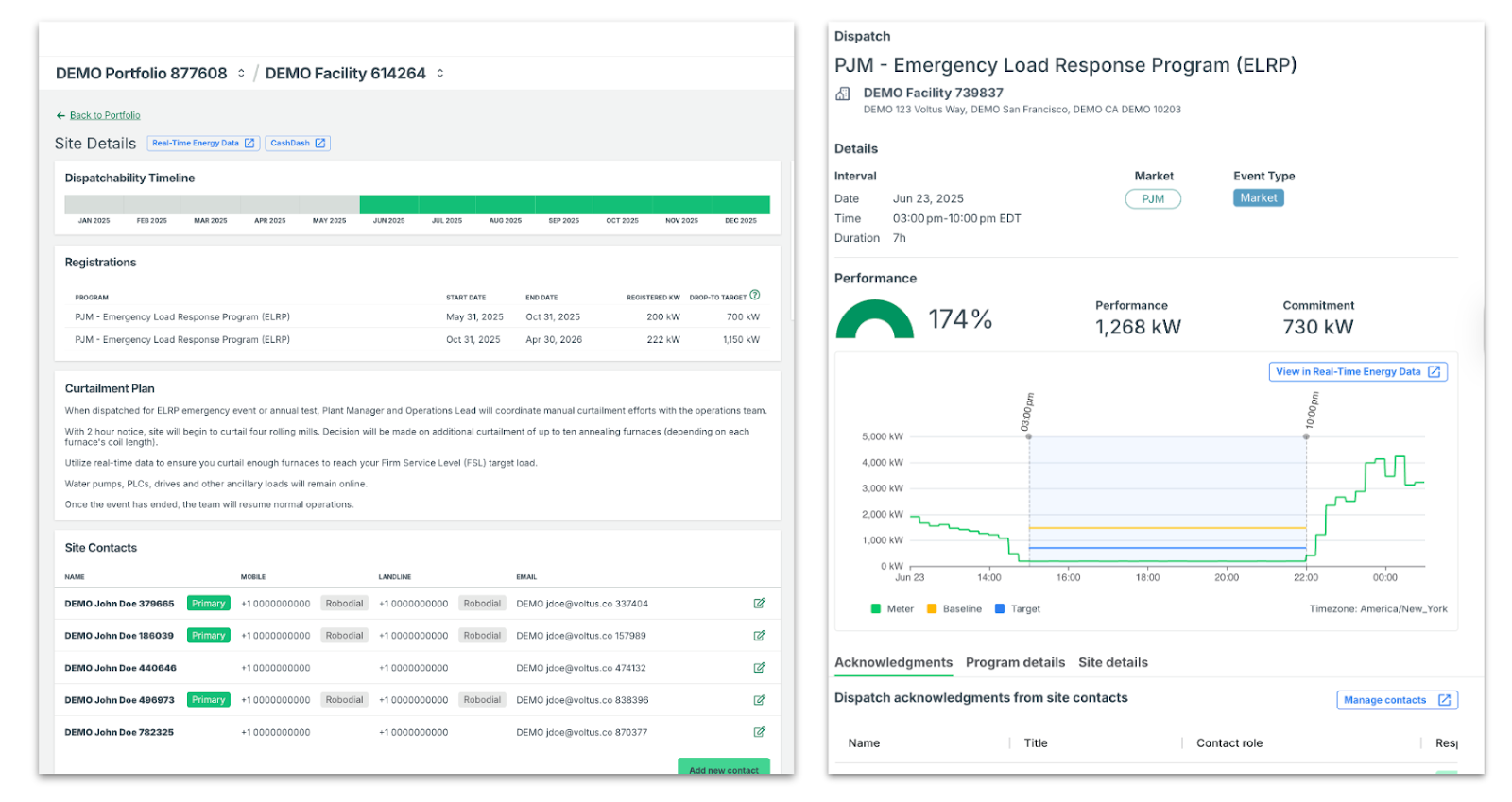
After running a competitive bidding process, they consolidated their DR participation with Voltus. By optimizing their response times and right-sizing their nominations, they are now positioned to curtail and respond to grid events actively, ensuring they’re on track to capture available energy payments when the grid needs them most.
This isn’t a one-off story. We see it regularly with companies whose DR strategy hasn’t kept pace with how the market actually operates today. The longer that gap persists, the more available revenue they miss - because they don’t get paid to stand by; they get paid to curtail and act when the grid is stressed.
The difference between capturing dispatch revenue and missing it comes down to a few factors that Voltus builds into every customer relationship.
The results speak for themselves: during June’s heat wave, Voltus's customers outperformed the overall demand response market by 30%.
Voltus can review your recent dispatch performance and utility data to pinpoint exactly where standing by, instead of acting on your operational flexibility, may be leaving available demand response revenue on the table. Contact Tyler Davis at tdavis@voltus.co or Sam Scuilli at sscuilli@voltus.co to schedule a review.